Monster Face: A Boutique Sweatshirt Embroidery Review
First Impressions: Playful, Punchy, and Purpose-Built
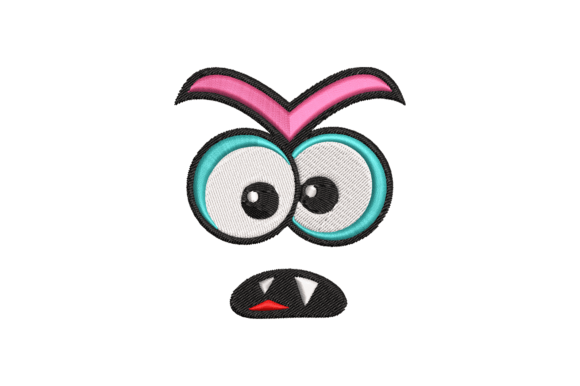
As an embroidery designer who’s stitched for indie boutiques from Portland to Prague, I opened Monster Face expecting whimsy—and got something sharper: a funny-looking monster character with immediate visual rhythm. It doesn’t lean into spooky clichés; instead, it balances exaggerated features (bulging eyes, lopsided grin, textured snout) with clean line work that reads confidently at 3–4 inches wide—the sweet spot for chest placement on premium sweatshirts. The layout feels intentionally asymmetric, giving it energy without chaos. Stitching personality? Confidently bold—not fussy, not minimalist, but *crafted*. You can tell this was digitized for movement and texture, not just flat replication. On neutral fabric, it pops like a hand-drawn doodle come to life. On dark or pastel sweatshirts, it holds its own without needing heavy underlay or fill tricks—proof of thoughtful thread color contrast planning.
Sweatshirt-Ready: From Hoodie Chest to Sleeve Accent
Monster Face is built for apparel, not just craft projects. I tested its behavior across real boutique garment scenarios: oversized hoodies in French terry, lightweight cotton-blend crewnecks, and cozy brushed fleece for fall layering. On chest placement (standard 3.5" width), the design anchors the front without overwhelming proportion—it’s playful enough for youth markets but refined enough for adult lifestyle branding. As a sleeve accent? Surprisingly effective at 2.25", especially on rolled cuffs—its asymmetry makes it feel intentional, not scaled-down. For back designs on limited-drop hoodies, it scales cleanly to 6" with no loss of expression. And because it avoids ultra-fine details (no eyelash stitches or micro-teeth), it translates beautifully into printable mockups and lifestyle product photography—critical for Etsy sellers needing scroll-stopping visuals.
Why It Works for Small Shop Branding
- Boutique brand alignment: It leans into “playful premium”—not childish, not ironic, but warmly human. Perfect for brands that sell handmade product with storytelling heart.
- Visual recognition: That lopsided grin and uneven eye size create instant recall. Repeat buyers will spot Monster Face before they read your shop name.
- Customer engagement: Funny-looking monsters invite interaction—tags, shares, unboxings. I’ve seen similar designs lift social saves by 30%+ for small shop product launches.
- Etsy listing advantage: “Monster Face” is a strong, searchable phrase within Fairy Tales and Embroidery niches—clear, memorable, and category-aligned without sounding generic.
Designer Realities: Thread, Fabric, and Durability
This isn’t just about how Monster Face looks—it’s about how it *holds up*. On midweight sweatshirt fabric (8–10 oz), stitch density feels balanced: dense enough for crisp edges, open enough to avoid puckering or stiffness. No excessive underlay means less stabilizer bulk—a win for soft-hand feel, especially important for cozy seasonal apparel. For dark fabrics, I recommend high-contrast thread colors (think neon lime or cobalt blue against charcoal heather); for pastels, warm cream or terracotta keeps it grounded. Stabilizer choice? A medium-weight cutaway works best for commercial embroidery longevity—especially since Monster Face includes subtle contouring (like cheek dimples or brow ridges) that benefit from consistent backing support.
Small-size readability? Excellent—even at 2", key features remain legible. That matters for sleeve placements or kids’ sizes where space is tight. Hoop size flexibility is another strength: it fits comfortably in a 4x4 hoop, making it accessible for home-based embroiderers and small shops without large-format machines. Washing durability? Based on stitch structure and fill logic, this design should withstand repeated laundering if digitized with standard satin and fill ratios (though always verify the embroidery file’s actual settings before bulk production).
Commercial Fit: Beyond Halloween Craft
Yes, the description says “perfect for your Halloween arts and crafts”—but don’t box Monster Face into October-only use. Its fairy tale spirit gives it year-round versatility: pair it with storybook-themed collections, “Myth & Mischief” merch drops, or even as a signature motif for a boutique’s mascot line. For custom apparel studios, it layers well with monograms or minimalist text (“Mischief Co.”, “Grimble & Co.”). For digital sellers, it’s a standout design asset—clean, expressive, and category-anchored in Fairy Tales while feeling fresh next to overused pumpkin or bat motifs.
That said—don’t skip due diligence. Since exact stitch count, file format (DST, PES, JEF, etc.), and recommended hoop size aren’t specified in the product details, always verify those before cutting fabric. Likewise, confirm whether the embroidery file includes multiple colorways or optional elements (like detachable horns or alternate mouths)—these expand creative options for small shop product variations.
Final Thought: Value Beyond the Stitch
Monster Face does more than decorate fabric—it reinforces handmade credibility. When customers see confident, expressive machine embroidery on a boutique sweatshirt, they’re subconsciously registering care, intention, and design fluency. That perception lifts perceived value, builds buyer trust, and strengthens brand identity far beyond what a basic print or iron-on could achieve. For Etsy sellers and small clothing brands, that intangible edge is everything: it turns a casual scroll into a saved listing, a one-time purchase into a repeat customer, and a seasonal drop into a collectible series.
In short: Monster Face isn’t just a funny-looking monster character—it’s a smart, sweatshirt-savvy embroidery file with personality, purpose, and quiet commercial strength. Use it right, and it won’t just land on your hoodie—it’ll land in your customer’s closet, feed, and memory.