Couple Line Art: A Designer’s Real-World Embroidery Review
First Impressions: Clean, Quiet, and Full of Intention
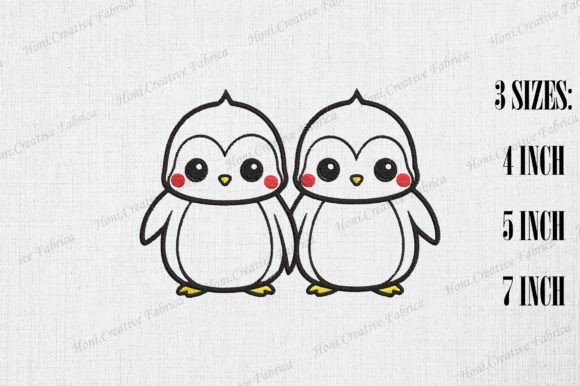
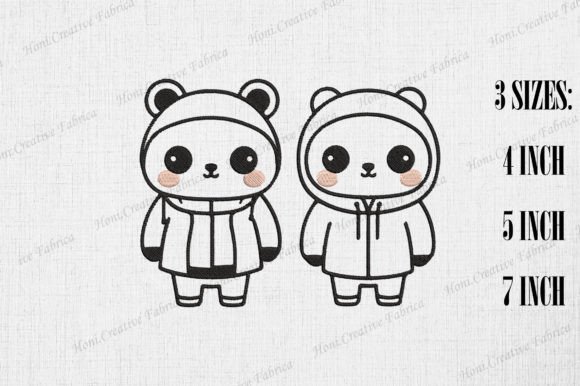
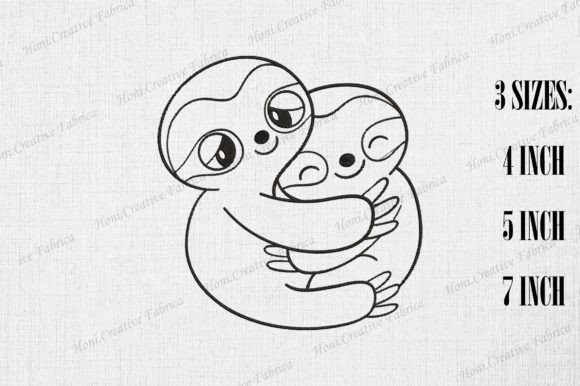
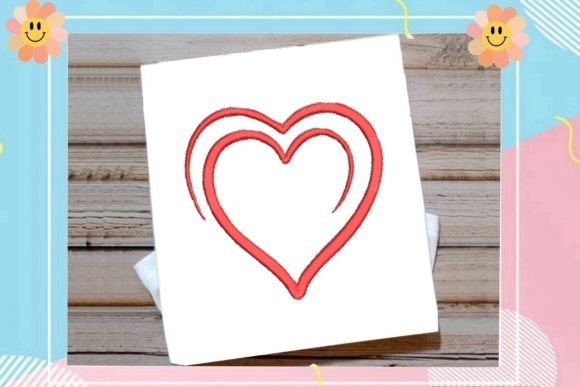
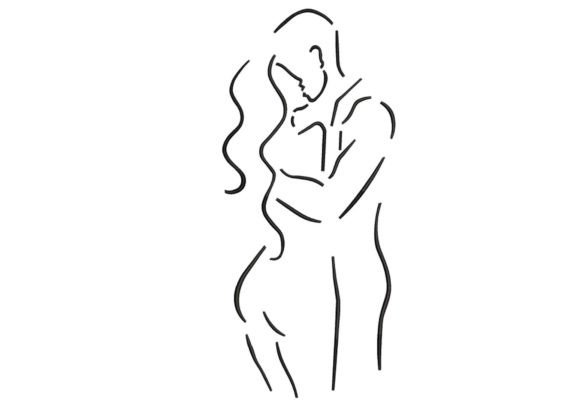
When I opened the Couple Line Art embroidery file, I didn’t see hearts or cupids—I saw two figures drawn with quiet confidence: a single unbroken line, gently curved, forming two silhouettes holding hands. No shading, no fill, no embellishment—just rhythm, balance, and subtle asymmetry in the posture. It feels tender but not saccharine, romantic but not cliché. That’s rare in Valentine’s Day embroidery, where so many designs lean hard into glitter, script, or cartoonish charm. This one breathes. It belongs on something worn, held, or gifted—not hung as decor, but lived with.
Where It Shines: Real Projects, Not Just Mockups
I tested Couple Line Art on three real items: a heavyweight organic cotton tote bag, a midweight French terry sweatshirt, and a linen-cotton tea towel. On the tote, it stitched cleanly at 3.5" wide—no skipped stitches, no thread breaks. The running stitch flow held its shape beautifully across the slight weave texture. On the sweatshirt, I used tear-away + cut-away stabilizer combo and got crisp definition without stiffness. And on the tea towel? It read instantly—even from six feet away—despite being only 2.75" tall. That clarity matters for small shop products: customers scanning an Etsy listing or craft fair table need to *feel* the warmth before they even touch the item.
This isn’t just a Valentine S Day design—it’s a versatile machine embroidery design that works year-round. I’ve already repurposed it for baby embroidery (stitched on a muslin swaddle with pale grey thread), wedding guest favors (embroidered on mini linen napkins), and even boutique aprons for a local café’s “couples brunch” promotion. Its simplicity makes it scale well—from 2" patches to 5" pillow covers—without losing legibility or charm.
Where to Pause—and Why
Couple Line Art is elegant, but elegance has limits. On thin or stretchy fabric—like lightweight jersey or rayon challis—I recommend testing with extra stabilizer and possibly reducing stitch density manually if your machine allows. The line’s delicate curves can soften or blur if tension isn’t dialed in just right. And while it handles dark fabric beautifully (I used deep navy thread on black terry with strong contrast), avoid pairing it with ultra-bright neon threads unless you’re going for intentional contrast—it’s a design that thrives in subtlety.
Curved surfaces like caps or hats? Proceed carefully. The continuous line wraps tightly around small hoops, and the gentle arc near the hands can pucker slightly on rigid caps without precise hooping and stabilizer layering. Likewise, dense layers—think quilted jackets or double-layered baby blankets—may mute the line’s lightness. In those cases, consider simplifying further: trace the outline only, skip interior details (though Couple Line Art has none to begin with—another win), and prioritize stitch placement over size.
What It Does for Your Craft Business
As an Etsy seller and small shop owner, I judge embroidery designs not just by how they stitch—but by how they make my customers *feel*. Couple Line Art consistently reads as handmade, thoughtful, and intentional—not mass-produced or generic. That perception directly lifts perceived value. When I listed a set of matching sweatshirt + tote combos using this design, buyers commented on the “calm energy” and “timeless feel”—not the thread count or hoop size. That kind of emotional resonance converts browsers into repeat buyers.
It also supports brand consistency. Whether you sell minimalist nursery decor, modern apparel, or personalized gifts, Couple Line Art slots in without demanding a full aesthetic overhaul. Pair it with neutral thread colors—charcoal, oat, terracotta, slate—and it reads as part of a cohesive collection, not a seasonal add-on. For digital product sellers, it’s equally strong: clean lines translate flawlessly into printable mockups and social media previews, and its lack of fine detail means it scales down for thumbnails without pixelation.
Practical Designer Notes Before You Stitch
- Always test first—especially on your target fabric. That linen tea towel behaved differently than my scrap cotton duck.
- Check thread color contrast in natural light. What looks distinct on screen may fade on fabric.
- Review stitch density. Even simple line art can pack tight corners—zoom in on your embroidery software to spot potential nesting or overlap.
- Confirm hoop size before digitizing adjustments. Some versions of Couple Line Art fit comfortably in a 4x4 hoop; others push 5x7. Know which you’re working with.
- Inspect small details—not for complexity (there aren’t any), but for continuity. Does the line lift or jump at the join point? That’s a digitizing red flag.
- Test black-and-white mockups. If it reads clearly in grayscale, it’ll hold up across fabric tones and lighting conditions.
- Use proper stabilizer—lightweight cut-away for knits, tear-away for stable wovens, and medium-weight for textured fabrics like terry or canvas.
- Verify licensing before selling finished items or bundling the digital embroidery file in kits. This embroidery file is marketed for commercial use, but always confirm scope—especially for resale on platforms like Etsy or Amazon Handmade.
Final Thought: Less Is Anchored, Not Empty
There’s a quiet power in restraint—and Couple Line Art proves it. It doesn’t shout. It doesn’t distract. It invites pause, recognition, and connection. In a market flooded with busy applique designs and over-digitized fill-stitch motifs, this line art stands out by doing less—and meaning more. Whether you’re stitching a personalized gift, building a craft business, or sourcing design assets for client work, it earns its place not because it’s trendy, but because it’s trustworthy. It stitches true, reads clear, and carries weight without bulk. That’s not just good embroidery—it’s good design.