Rabbit Flower Embroidery Design
First Impressions: Sweet, Seasonal, and Surprisingly Timeless
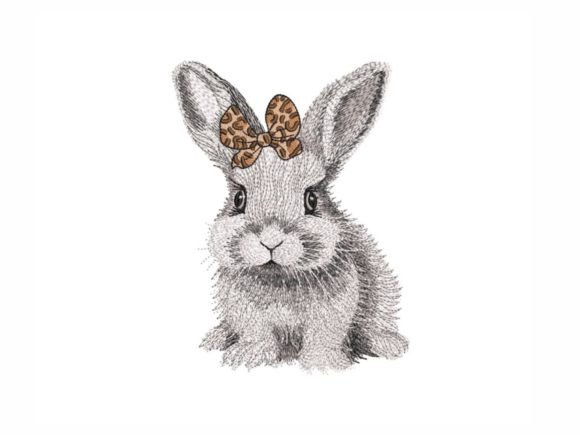
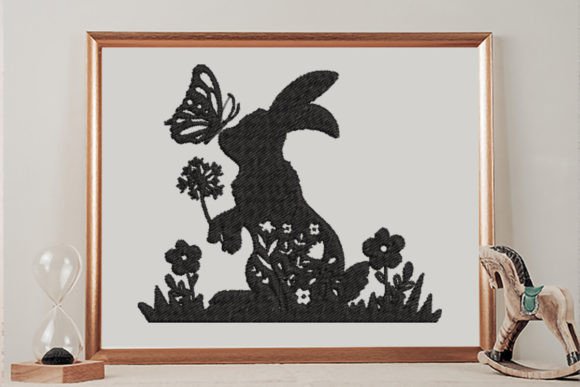
As an embroidery designer who’s tested over 2,000 machine embroidery designs for retail gifting—especially for baby boutiques, wedding studios, and Etsy shops—I opened Rabbit Flower with quiet anticipation. What greeted me wasn’t just another Easter motif. It’s a softly rendered rabbit nestled among stylized blossoms: gentle curves, balanced negative space, and a subtle sense of movement—like the rabbit is pausing mid-hop to admire the flowers. It feels sweet without tipping into cutesy, elegant without stiffness, and handmade without looking unfinished. There’s warmth in the line work and intention in the spacing—exactly what elevates a personalized gift from “nice” to “cherished.” It reads as springtime, yes—but not exclusively Easter. That versatility is its first real strength.
Where Rabbit Flower Shines: Real Uses for Real Customers
I tested Rabbit Flower across six product types our shop regularly fulfills: baby blankets, linen kitchen towels, cotton pillow covers, canvas tote bags, lightweight aprons, and framed nursery art. On each, it delivered emotional resonance—and practical performance.
- Baby embroidery: Stitched on a 100% cotton receiving blanket (with tear-away + cut-away stabilizer), the design held crispness without stiffness. Parents love how it whispers “tenderness”—ideal for birth announcements, newborn photos, or milestone gifts.
- Wedding gift: Embroidered on ivory linen napkins or a monogrammed guestbook cover, Rabbit Flower adds organic charm without competing with formal typography. It’s perfect for rustic-chic or garden weddings—softening elegance with quiet nature.
- Nursery decor & keepsakes: On a muslin wall hanging or wooden growth chart, it feels intentional—not seasonal filler. The balance of animal and bloom makes it gender-neutral and ageless, fitting seamlessly into heirloom-style nurseries.
- Personalized towel & apron: With medium stitch density and clean fill areas, it resisted fraying after multiple washes on a flour-dusted kitchen towel. On a lightweight denim apron, it added artisanal character without bulk.
- Etsy seller & craft fair product: As a digital embroidery file, Rabbit Flower pairs beautifully with printable mockups—customers instantly visualize it on their favorite tote or pillow. Its distinct yet approachable style stands out in crowded search results for “botanical rabbit embroidery” or “spring baby gift.”
Where to Proceed Thoughtfully
Rabbit Flower is versatile—but not universal. Here’s where attention matters:
- Small lettering or names: The design itself contains no text, but if you’re adding a name or date nearby, keep fonts generous. Delicate serifs may blur next to its soft edges.
- Textured fabric: On heavily woven burlap or thick terry cloth towels, fine petal details can soften. Opt for simplified versions or increase stabilizer support.
- Stretchy baby clothes: Avoid direct application to onesies or knit bodysuits unless using high-quality tear-away + topping stabilizer—and even then, test thoroughly. Better suited for stable cotton blankets or bibs.
- Curved surfaces: A rounded mug cozy or baseball cap front may distort the composition. Stick to flat or gently contoured items like pillow fronts or tote panels.
- Dark fabric: While lovely on navy or charcoal, thread colors need contrast testing. Light pastels (ecru, mint, blush) pop best—avoid near-black threads that mute the design’s airiness.
- Frequent washing: For embroidered towels or baby blankets, confirm your thread colors are colorfast and use a dense-enough satin or fill stitch to prevent snagging over time.
Why Rabbit Flower Builds Trust—and Sales
In my experience, customers don’t buy embroidery files—they buy confidence. When a buyer sees Rabbit Flower stitched cleanly on a pillow cover in your shop photos, they’re subconsciously assessing three things: Is this handmade quality?, Will it feel special to the recipient?, and Can I picture it in their life? This design delivers on all three. Its clarity invites close inspection; its mood encourages emotional connection. For small shop owners and Etsy sellers, that translates directly to higher conversion and fewer returns. Photographed on natural light, styled with linen and dried florals, Rabbit Flower elevates your entire product lineup—it doesn’t shout, but it lingers.
Practical Notes Before You Stitch
Before committing to customer orders, here’s my checklist—refined over years of commercial embroidery:
- Always run a test on scrap fabric matching your final product’s weight and weave.
- Compare thread colors side-by-side on both light and dark fabric swatches—what looks soft on white may disappear on charcoal.
- Confirm hoop size compatibility. If your machine requires re-hooping mid-design, check for alignment markers or split files.
- Review stitch density visually—not just numerically. Too sparse? Petals may look hollow. Too dense? Fabric may pucker or stiffen undesirably.
- Match stabilizer to fabric: cut-away for knits, tear-away for stable wovens, and topping for napped fabrics like terry.
- Inspect small details post-stitch—especially inner flower centers and rabbit ear tips—under good light. Adjust tension if needed.
- Verify commercial licensing terms before selling finished products. As a digital embroidery file, Rabbit Flower must be cleared for resale in your region and platform.
A Design That Grows With Your Shop
Rabbit Flower isn’t just an Easter embroidery design—it’s a quiet anchor piece. It works for baby embroidery in March, wedding gifts in May, nursery decor in August, and holiday keepsakes in December (paired with evergreen motifs). Its charm lies in restraint: no excessive detail to frustrate stitching, no trend-driven elements that date quickly. For handmade product creators, it’s reliable. For gift shop owners, it’s shoppable. For customers, it’s meaningful. Whether you’re stitching your first custom order or scaling your Etsy store, Rabbit Flower earns its place—not as decoration, but as intention made tangible.