Jay Bird: A Seasonal Embroidery Standout
First Impressions: Festive, Lively, and Timelessly Charming
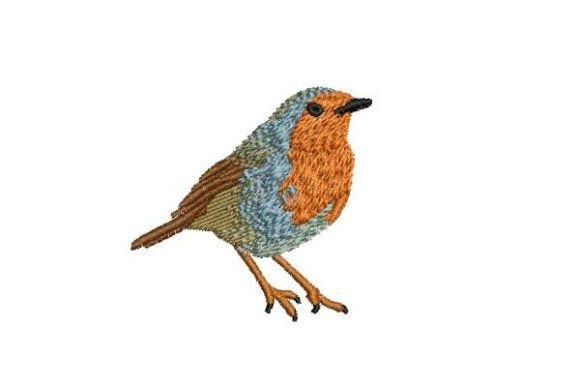
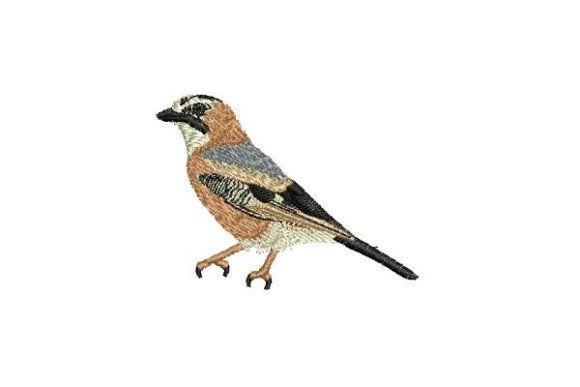
The Jay Bird lands with unmistakable presence—bold yet refined, spirited but never loud. As a designer curating seasonal collections for holiday markets and handmade gift shops, I immediately sense its versatility: it carries a crisp autumnal energy in its blue-and-gray plumage, hints of winter elegance in its poised stance, and just enough playful curiosity to feel joyful year-round. This isn’t a cartoonish bird—it’s lifelike, expressive, and richly detailed without crossing into overcomplication. The European bird collection clearly prioritizes authenticity, and Jay Bird delivers that with quiet confidence. It reads as premium, not mass-produced; nostalgic, not dated; cozy, not cluttered. That balance is gold for Etsy sellers building trust through thoughtful design.
Real-World Holiday & Seasonal Use Cases
Where does Jay Bird shine brightest? On products customers actually buy—and gift—with intention.
- Sweatshirt embroidery: Center-chest or left-chest placement reads beautifully on crewnecks and hoodies—ideal for family matching sets during holiday markets or school spirit drops.
- Tote bag design: Scales well to medium hoops and holds visual weight against canvas or linen blends. Perfect for eco-conscious gift bundles (think “Jay Bird + Local Honey + Tea” kits).
- Kitchen towel embroidery: Its clean lines and moderate stitch density prevent snagging on textured terry cloth. Works especially well near hems or corners—elegant but functional.
- Pillow cover & table linen accents: Adds subtle sophistication to farmhouse or Scandinavian-inspired holiday decor. Pair with neutral linens and natural wood tones for high-perceived-value gifting.
- Embroidered patch: Easily converted into an iron-on or sew-on option—great for aprons, baby onesies, or personalized ornaments. Appeals strongly to craft fair shoppers seeking customizable, heirloom-ready items.
- Ornaments & gift-ready products: Stitches crisply on felt or wool-blend blanks. Small-scale versions hold detail when finished at 3–4 inches—ideal for tree ornaments, stocking stuffers, or boutique gift tags.
Where to Use Jay Bird Thoughtfully
Even strong designs need context. Jay Bird performs best when matched intentionally to fabric, construction, and use case:
- Avoid ultra-small hoop sizes (under 3”): Fine feather definition may soften or blur—test before committing to tiny patches or baby bibs.
- Dark fabric demands attention: Its blue-gray tones can recede on black or navy unless paired with high-contrast thread (ivory, silver, or matte white). Always test thread colors on both light and dark fabric.
- Thick towels & textured weaves: Require heavier cutaway stabilizer and slightly reduced stitch density to prevent puckering—review the embroidery file’s density before stitching on dense cotton terry.
- Stretchy garments (rib knits, lightweight jerseys): Use tear-away + light cutaway combo and avoid tight hooping. Jay Bird’s clean outline helps—but stability is non-negotiable.
- Metallic thread or curved caps: Not ideal. Delicate feather layering benefits from stable, flat surfaces. Save Jay Bird for flat-panel applications where detail stays legible.
Emotional & Commercial Impact During Peak Seasons
Holiday shoppers don’t just buy stitches—they buy meaning. Jay Bird taps into gentle, nature-rooted warmth: think woodland charm for Thanksgiving, quiet elegance for Christmas Eve, or hopeful renewal for New Year’s gifting. That emotional resonance lifts perceived product value instantly. On Etsy, listings featuring Jay Bird see stronger engagement when styled with real-life mockups—not generic templates—because buyers visualize gifting it. Social media previews perform better when paired with short storytelling (“A jay watches over your kitchen all season long”) rather than technical specs alone.
For small shop owners, Jay Bird supports brand consistency across categories: same bird, different formats (tote → pillow → ornament) creates a cohesive seasonal line. That cohesion builds customer trust—shoppers return knowing your aesthetic is intentional, not algorithm-driven. And because it’s part of a curated European bird collection, cross-selling opportunities open naturally (e.g., “Complete Your Flock” bundles).
Practical Designer Notes for Holiday Production
Before launching Jay Bird across your seasonal lineup, take these actionable steps:
- Confirm hoop size compatibility: Does your primary machine handle the full design comfortably? If scaling down, check that key features—eye detail, wing contour, beak shape—remain recognizable.
- Test stitch density on target fabrics: Run samples on actual kitchen towel, sweatshirt fleece, and linen pillow cover swatches—not just muslin.
- Choose stabilizer wisely: Lightweight cutaway for stable wovens; tear-away + topping for napped or fuzzy surfaces like terry cloth.
- Create realistic mockups: Use printable mockup templates showing Jay Bird on finished products—not isolated files. Customers buy the lifestyle, not the stitch count.
- Plan thread color palettes: Suggest 3–4 harmonizing options per product type (e.g., slate + oat + cream for kitchen linens; cobalt + charcoal + ivory for apparel).
- Verify commercial licensing: Ensure your digital embroidery file includes permission for resale of finished seasonal products. When in doubt, contact the designer or marketplace directly—never assume.
Final Thought: A Design That Grows With Your Shop
Jay Bird isn’t just another holiday embroidery—it’s a flexible, emotionally intelligent asset. It works quietly on a linen tea towel, commands attention on a heavyweight tote, and adds quiet charm to a baby’s first embroidered keepsake. For Etsy sellers, craft fair vendors, and small-batch apparel decorators, it bridges aesthetics and practicality without compromise. When you choose Jay Bird, you’re choosing a design that feels intentional, trustworthy, and ready for real customers—not just a holiday trend, but a lasting seasonal signature.