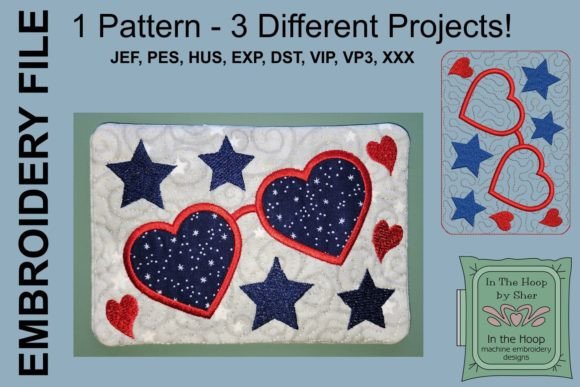
Independence Day Mug Rug
A Practical Review for Small Business Merch & Branded Patches
As an embroidery designer who’s developed over 300 commercial machine embroidery designs for cafés, boutiques, bakeries, and Etsy sellers, I approach every new file with two questions: Will it translate reliably across real-world merchandise? and Does it strengthen brand identity—not just decorate? When I first saw the Independence Day Mug Rug, my instinct was cautious optimism. The title signals clear seasonal relevance and functional intent—“mug rug” implies warmth, hospitality, and handmade charm—but the real test is how this machine embroidery design performs beyond the hoop.
First Impression: Friendly, Patriotic, and Purpose-Built
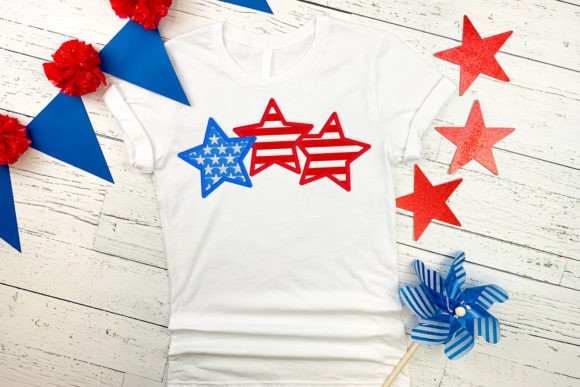
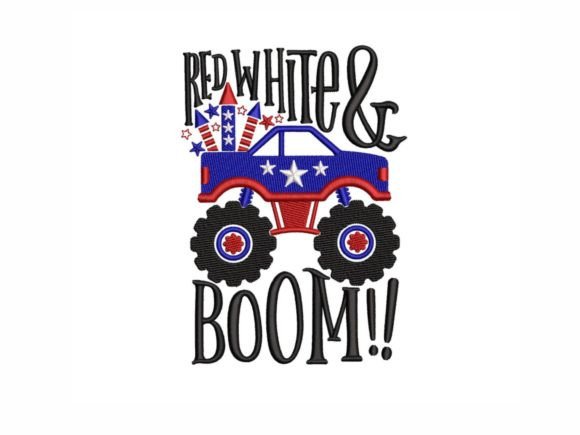
The Independence Day Mug Rug reads as intentionally warm—not stiff or overly formal. It leans into classic Americana without cliché: think balanced star motifs, clean lettering (if present), and layout that suggests cohesion, not clutter. That matters deeply for small business merch. A florist adding a patriotic accent to their summer aprons needs sincerity, not satire. A pet brand launching limited-edition bandanas wants approachability—not militaristic rigidity. This design lands in that sweet spot: bold enough for visibility, soft enough for everyday appeal. It feels handmade product-adjacent, which builds trust with customers who value craft over mass production.
Where It Shines in Commercial Embroidery
In my studio, the Independence Day Mug Rug immediately stood out for versatile application:
- Embroidered patches: Sized for a 5 x 7-inch hoop, it scales well down to 3.5"–4" finished patch size—ideal for chest logos on staff uniforms or sleeve accents on boutique tote bags.
- Apron embroidery: Its horizontal orientation fits perfectly along the bottom hem of canvas or denim aprons—no awkward cropping or distortion.
- Cap embroidery: While best suited for back-strap or side-panel placement (not tight front curves), it holds clarity when digitized with proper underlay and reduced density.
- Tote bag design: As a centered focal point on natural cotton or linen totes, it adds seasonal distinction without overwhelming the fabric’s texture.
- Product packaging accents: Think stitched labels on mason jars for a local bakery’s red-white-and-blue jam line—or embroidered tags on handmade soap bundles.
For Etsy sellers and craft businesses, the Independence Day Mug Rug also works beautifully in printable mockups. Layer it over coffee mugs, picnic blankets, or vintage-style gift boxes—it reads as intentional branding, not generic clip art.
Where to Use It Thoughtfully
No design is universally frictionless—and the Independence Day Mug Rug has boundaries worth honoring:
- Avoid ultra-small patch sizes (<3"). Fine details like star outlines or thin lettering may blur or stitch poorly below 3.25". Always test at intended size.
- Caps and curved surfaces demand careful digitizing adjustments. If your version includes dense fill areas or tight corners, reduce stitch density by 10–15% and add extra stop-stitching for stability.
- Dark uniforms or textured fabric require high-contrast thread colors. Test the embroidery file in black thread on navy twill and white thread on charcoal canvas before bulk production.
- Frequent washing means stabilizer choice is non-negotiable. Use cutaway + tear-away combo for towels, aprons, and staff shirts—especially if the design includes satin-stitched borders or dense fills.
How It Shapes Brand Identity & Customer Trust
Small businesses don’t just sell products—they sell belonging. The Independence Day Mug Rug supports that when used intentionally. Unlike generic fireworks or flag silhouettes, it implies care: “mug rug” suggests hospitality, comfort, shared moments. That resonates with cafés hosting July 4th community gatherings, bakeries wrapping patriotic cookies, or studios gifting embroidered coasters to clients.
Visually, it reinforces professionalism through proportion and spacing—if the original digitizing respects kerning, star alignment, and balanced negative space, it elevates perceived product value. Customers notice when stitching lies flat, colors pop cleanly, and edges don’t tunnel or pucker. That consistency builds recognition across your design assets: same motif on a cap, tote, and apron tells a unified story.
Essential Designer Notes Before Production
Before cutting fabric or loading hoops, run these checks:
- Test in black and white first. Confirm legibility and balance without color distraction.
- Verify hoop size compatibility. This machine embroidery design is built for a 5 x 7-inch hoop—will NOT work with a 4 x 4-inch hoop. Confirm your machines support it.
- Review thread color contrast on your target fabric. Red/white/blue reads differently on oatmeal linen vs. navy denim.
- Inspect spacing between elements. Tight lettering or overlapping stars can cause nesting or skipped stitches on low-tension machines.
- Test on real fabric—not just stabilizer swatches. Fabric texture changes tension behavior dramatically.
- Use proper stabilizer for your base material: cutaway for stretch knits, tear-away for stable wovens, fusible for lightweight linens.
- Create a physical mockup for client approval—digital previews miss drape, sheen, and tactile impact.
- Compare beside existing design assets. Does the Independence Day Mug Rug harmonize with your logo, font system, and other seasonal files?
- Confirm commercial licensing. Ensure your purchase grants rights for resale, branded apparel, and small business merch—not just personal use.
Bottom line: the Independence Day Mug Rug isn’t just another holiday file. It’s a flexible, brand-conscious tool for small businesses building authentic connections—through aprons, patches, caps, and more. Used with intention, it doesn’t just celebrate Independence Day. It strengthens your own independence—as a creative, confident, commercially capable maker.