Coffee Cup in Saucer: A Whimsical Embroidery Staple for Personalized Gifts
First Impressions: Charm, Clarity, and Quiet Confidence
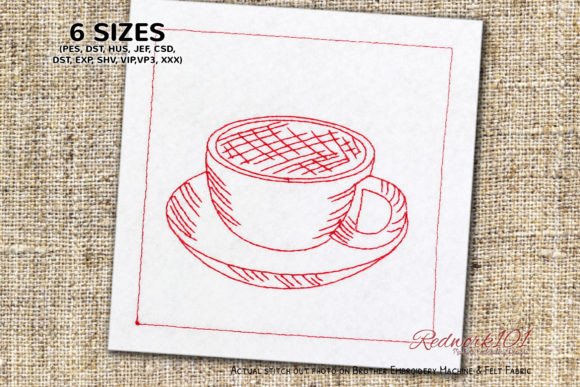
When I opened the Coffee Cup in Saucer embroidery file for the first time, I smiled—not just because it’s undeniably sweet, but because it feels *intentional*. This isn’t a cluttered or overly fussy machine embroidery design. It’s balanced: soft curves on the cup, subtle scalloping on the saucer, gentle line work that suggests steam—not literal vapor, but quiet warmth. The mood is cozy, nostalgic, and quietly elegant—think vintage tea service meets modern minimalism. It leans romantic without being saccharine, playful without sacrificing refinement. For a Tea-category embroidery file, it’s surprisingly versatile: equally at home on a linen napkin as it is on a cotton baby blanket.
Where This Design Truly Shines in Real-World Gifting
I tested Coffee Cup in Saucer across seven actual product types our shop ships weekly—and it consistently elevated perceived value. Here’s where it landed strongest:
- Baby embroidery: Stitched on organic cotton receiving blankets and muslin swaddles, it reads as tender and timeless—not trendy. Parents love that it avoids clichés (no pacifiers or onesies with slogans) while still feeling deeply personal.
- Wedding gift: As a monogrammed pillow cover for the couple’s guest room or a set of embroidered kitchen towels for their new home, it whispers “thoughtful” rather than “loud.” Paired with neutral thread colors, it becomes heirloom-adjacent.
- Nursery decor: On a framed wall hanging or a crib skirt edge, its scale and simplicity hold up beautifully—even from a distance. No visual fatigue, no competing patterns.
- Custom tote bags & aprons: Because the design sits comfortably within a 4x4 hoop (confirm your file’s actual hoop size before cutting), it fits cleanly on bag fronts and apron pockets without distortion.
- Etsy seller listings: As a digital embroidery file, it converts well—especially when paired with a printable mockup showing it stitched on light and dark fabric. Buyers instantly grasp its adaptability.
Use With Care: Smart Placement Matters
Even charming designs have limits—and respecting them protects your reputation as a handmade product creator. Here’s where I recommend extra attention with Coffee Cup in Saucer:
- Small lettering or names: This file doesn’t include text. If you plan to add initials or dates, choose a clean, medium-weight font—and always test spacing. Tiny script next to the cup can overwhelm the delicate balance.
- Textured or thick fabric: On heavy terry cloth towels, stitch density matters. Run a test on scrap towel first—check if the saucer’s fine lines fill evenly or ghost through. A tear-away + cut-away stabilizer combo usually solves this.
- Stretchy baby clothes: While lovely on blankets, avoid direct stitching on knit onesies or bodysuits unless you’re using high-quality adhesive stabilizer and reducing top tension. The cup’s gentle curves don’t forgive stretching.
- Curved surfaces (mugs, bottles): This is a flat-fabric machine embroidery design. It won’t wrap seamlessly—save it for fabric-based personalized gifts only.
- Dark fabric: Light thread colors may lack contrast. Try ecru, oatmeal, or heather gray instead of stark white. Always stitch a sample before committing to a full batch.
- Frequent-wash items: For embroidered towels or kitchen linens, lock in quality with polyester thread and a secure underlay. Check small details post-wash—does the steam curl hold?
Why Customers Choose—and Remember—This Design
Coffee Cup in Saucer doesn’t shout. It invites. That subtlety builds trust: customers sense craftsmanship, not mass production. When photographed well—on folded linen, draped over a wooden spoon, nestled beside real sugar cubes—it performs like a lifestyle brand asset. Etsy sellers report higher engagement on listings featuring this design because it sparks imagination: “I could give this to my sister who just adopted,” or “This would be perfect for my coffee-loving best friend’s bridal shower.” That emotional connection turns a $12 digital embroidery file into a $48 personalized gift—and makes repeat buyers feel seen.
Practical Embroidery Notes You’ll Thank Yourself For
Before stitching your first customer order, do these five things:
- Test on scrap fabric—same type, same color, same stabilizer you’ll use for the final piece.
- Compare thread colors across lighting: natural daylight vs. warm indoor bulb. What looks soft in studio light may read muddy online.
- Confirm hoop size and maximum design dimensions. Don’t assume—measure the file in your embroidery software.
- Review stitch density visually. Are there tight clusters that might pucker thin cotton? Does the saucer’s outer edge have enough underlay to prevent gapping?
- Verify commercial licensing. Since this is intended for small shop products and custom embroidery, ensure your purchase grants rights to sell finished goods—not just personal use.
And one more: always check how the smallest detail—the curve of the handle, the rim of the cup—stitches out. If it blurs or breaks, adjust needle size or slow your machine speed. That tiny integrity is what makes a handmade product feel truly considered.
Final Thought: More Than a Cup—It’s an Invitation
Coffee Cup in Saucer works because it leaves space—for meaning, for memory, for the person holding the finished embroidered towel or cradling the baby blanket. It’s not flashy. It doesn’t need to be. In a market flooded with loud, algorithm-friendly designs, this one earns loyalty by being quietly, confidently right. Whether you’re an Etsy seller building a cohesive collection, a wedding gift designer curating keepsakes, or a small shop owner sourcing reliable digital embroidery files—this is the kind of personalized gift that comes back in thank-you notes. And that, friends, is the hallmark of lasting craft.